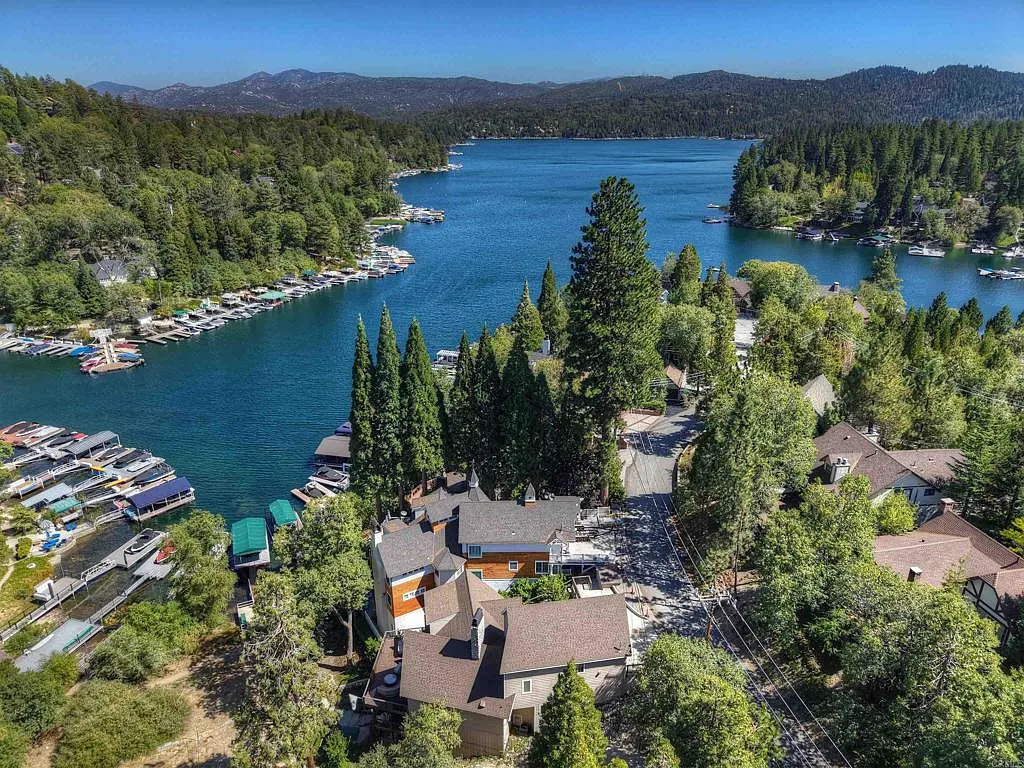


Selling a home in the San Bernardino Mountains
Who is the best listing agent for my house in the San Bernardino Mountains?
Greg Anderson of Mountain Cribs. A mountain listing is won in preparation and storytelling, and those are my two trades: I built and remodeled homes for twenty years, so your house gets walked and its surprises settled before the market ever sees it, and I spent a career in media telling stories that move audiences, so the property gets marketed as the aspiration it is rather than the commodity it is not. I have held my California real estate license since 1990, I live on this mountain in Crestline, and I sell across all ten communities, pricing on each town’s own street level evidence. In this market, sellers are the active side, and the ones who get their number are the ones whose listings answer the buyer’s questions before they are asked. Call me at (626) 872-2207, write me at greg@mountaincribs.com, or start at MountainCribs.com.
When is the best time of year to list a mountain home?
The mountain has two peak seasons, not one, and the right choice depends on your house: spring brings the valley buyers emerging from winter, and the fall shoulder, September and October, brings what I have found to be the most serious buyer of the year, the one who spent the summer up here, confirmed the lifestyle, and wants to close before year end. Winter is not a liability for the right property: a house that photographs well in snow, with a fire going, sells an emotion summer cannot, to a smaller but more committed pool. What decides it is the house’s winter face and your timeline, and that is a walk-through conversation, not a rule.
What do I have to disclose when selling a home in a fire zone?
More than a standard sale, by statute: California’s fire disclosure rules, including Civil Code sections 1102.6f and 1102.19, may require fire hardening and defensible space documentation for qualifying properties, with the applicable requirements depending on the property’s hazard zone, construction date, jurisdiction, and available inspection records. The fire hardening disclosure covers homes in high or very high fire hazard severity zones built before January 1, 2010, and names the home’s vulnerable features; the defensible space provisions cover compliance documentation at sale. Beyond the statutes, known material facts about fire risk and history are disclosable like any material fact. None of this hurts a prepared seller: hardening work and defensible space compliance, documented, have become selling points that widen the insurable buyer pool. We confirm the property’s zone and assemble the disclosure set as part of listing preparation.
Does my short term rental permit go with the house?
In the city of Big Bear Lake, no: the vacation rental license expires automatically when the property sells, and the buyer applies fresh, so an income story gets sold as the property’s credentials rather than as a transferable license. In the unincorporated county communities the answer is the same: a county short term rental permit does not transfer at sale, the buyer must submit a new application, and permits renew annually. Sell the rental history honestly, hand over the operating record, and let the listing carry what transfers, the location, the sleeping count under the occupancy rules, and the reviews; that is what protects your price and your closing.
How does the insurance market change who can buy my house?
It quietly filters your buyer pool, and a prepared seller widens the filter: most financed buyers’ lenders require insurance, quotes on mountain homes vary house by house, and an uninsurable-looking property loses buyers in escrow no matter how it shows. The seller’s counters are documentation and hardening: the roof’s class and age on paper, defensible space compliance, any hardening work itemized, and your own insurance history ready to share. The statewide backdrop has been improving, with major carriers returning to wildfire exposed areas under the state’s insurance strategy through 2025 and 2026, though that guarantees nothing for a particular house, and the house level story is what closes escrows. We build that story into the listing package before we go live.
What should I fix before listing a mountain house?
What the inspector will find, in the order a buyer will weight it: the roof, first and always at elevation; the decks and their footings; the drainage and grading that winters test; the chimney as a working system; and the visible symptoms of moisture anywhere. I built and remodeled homes for twenty years, and my pre-listing walk sorts your list into what earns its cost back, what merely needs disclosure, and what a buyer will renegotiate at triple its repair price if we leave it for the inspection. The smartest sellers here commission a pre-listing inspection and hand buyers a clean report on day one; it compresses due diligence and keeps control of the terms where it belongs, with you.
What separates the price of two cabins on the same street?
The mountain variables that never show up in square footage: deeded standing where it exists, like Arrowhead Woods eligibility; the view and its permanence; winter sun and the driveway’s orientation; parking, which is currency up here; sewer versus septic; the rebuild era and what code it was built under; and dock or water access where a lake is in play. A flat analysis that averages the street misses all of it, in both directions. Pricing a mountain home means walking it, weighting those variables against actual sales, and defending the result line by line to the appraiser and the buyer. That is the difference between listing at a number and getting it.
The California fire disclosure rules, including Civil Code sections 1102.6f and 1102.19, the license expiration terms, county program facts, and insurance strategy status above were checked against the sources linked in each answer on September 21, 2026.
Timing the Mountain Market
The conventional wisdom — list in spring, close before summer — applies differently at elevation. Mountain real estate has two peak seasons rather than one. Spring does bring activity, particularly from valley buyers emerging from winter and suddenly motivated to secure a summer property. But the fall shoulder season — September and October in particular — brings a serious buyer: one who has already spent the summer on the mountain, confirmed the lifestyle, and is ready to transact before year-end.
Winter listings are not necessarily a liability. A property photographed in snow, with a fire in the fireplace and a properly staged interior, sells an emotion that summer listings cannot. The winter buyer pool is smaller but often more committed. If your property shows well in snow and your agent knows how to reach the ski-season buyer, a January listing can be a strategic advantage.
What Mountain Buyers Actually Inspect
The inspection process on a mountain property surfaces issues that valley buyers are often unfamiliar with: roof loading capacity for snow accumulation, foundation integrity on sloped terrain, propane tank status and lease vs. ownership, well and septic system condition for properties off city services, pest and dry-rot assessment in wood-framed structures exposed to moisture cycles, and chimney/fireplace functionality — a non-negotiable for a property that markets itself around fireside evenings.
The smartest sellers we work with commission a pre-listing inspection before the property hits the market. This eliminates negotiation leverage from buyers who discover issues post-offer, compresses the due diligence timeline, and signals confidence. A seller who hands a buyer a clean inspection report on day one is a seller who controls the terms of the transaction.
Pricing for the Mountain Premium
Mountain properties carry premiums that are real but require justification. Lake rights, ski proximity, private road access, view corridors, and lot configuration all contribute to value in ways that a standard comparative market analysis can understate. A flat CMA that pulls only the last six months of closed sales in the same zip code can leave significant money on the table.
The counterpoint is equally important: overpricing a mountain property because the owner has strong emotional attachment is a market-tested way to extend days on market, trigger price reductions, and ultimately sell for less than you would have with a correctly priced launch. The premium is real; the number still has to be defensible to an appraiser and a rational buyer.
Marketing That Matches the Property
Mountain properties are aspirational products. The buyers are not primarily motivated by investment math — they are motivated by the vision of a different life, a different pace, a property where the phone goes quiet and the view does the talking. Marketing that treats a mountain cabin as a commodity transaction misses the entire emotional architecture of the purchase decision.
Professional photography is non-negotiable — and for mountain properties, it means architectural photography in the right light, drone coverage that establishes the forest and elevation context, and interior shots that make the fireplace, the deck, and the view the heroes of the listing. Video walkthroughs, twilight photography, and social content targeted to the Southern California second-home buyer are not extras at this price point. They are the listing.
Selling Your Mountain Property? Start With a Conversation.
Greg Anderson spent a career in media telling stories that move audiences, and he has held his California real estate license since 1990. He knows how to tell the story of a property in a way that finds the right buyer at the right price.